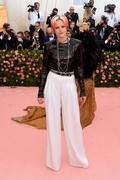
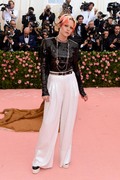
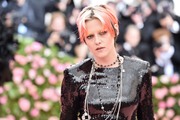
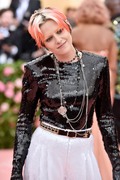
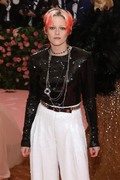
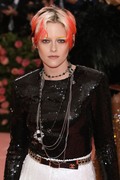
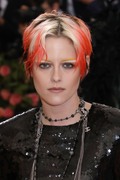
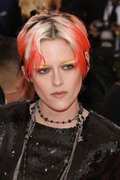
Monday, May 6, 2019

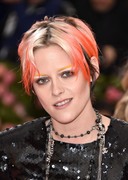
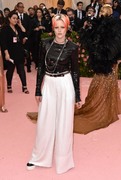
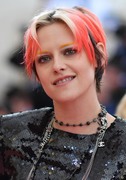
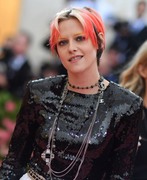
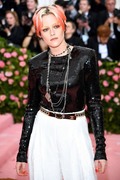
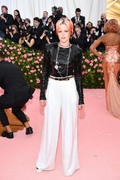
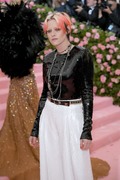
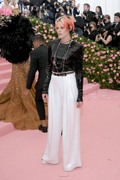
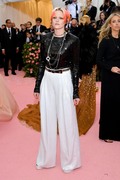
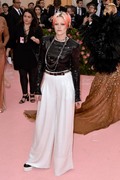
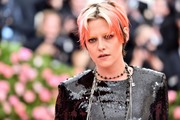
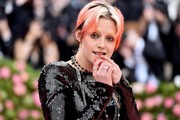
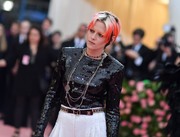
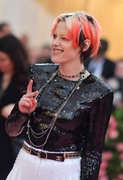
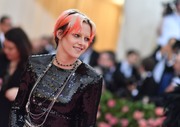
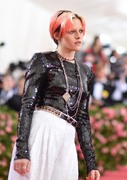
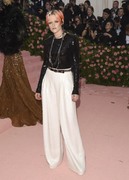
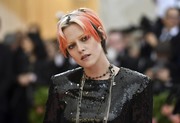
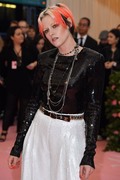
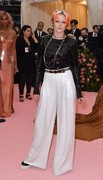
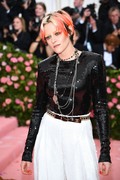
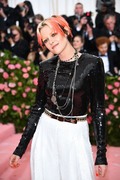
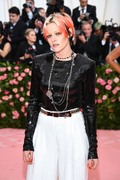
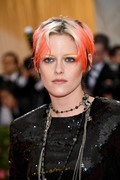
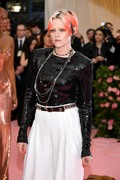
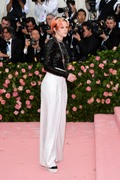
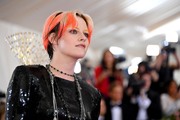
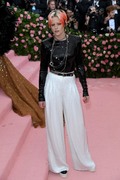
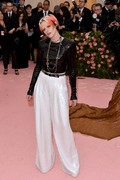
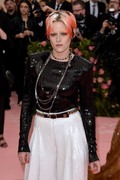
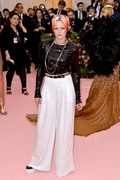
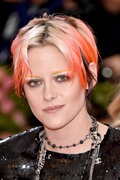
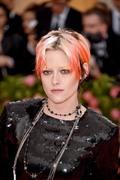
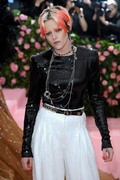
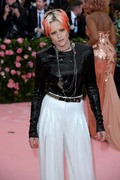
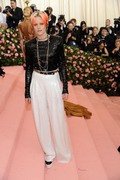
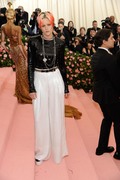
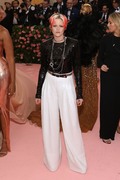
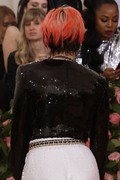
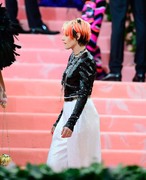
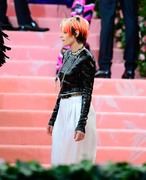
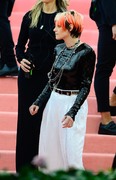
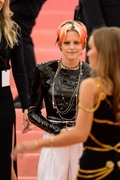
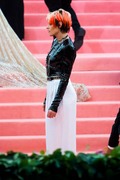
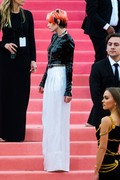
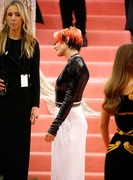
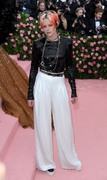
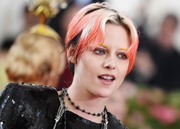
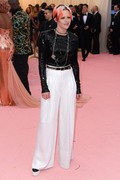
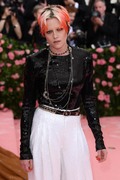
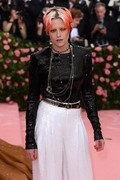
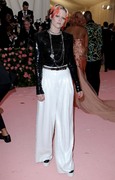
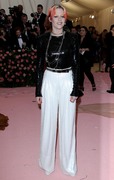
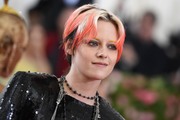
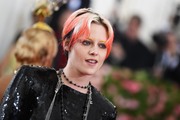
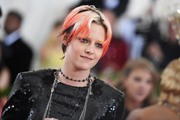
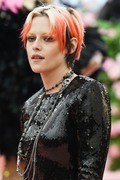
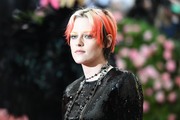
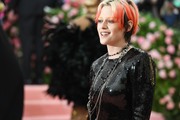
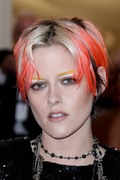
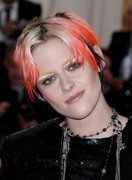
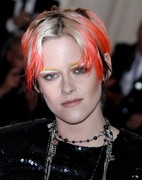
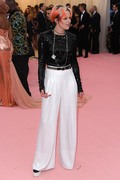
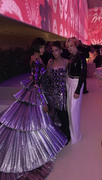
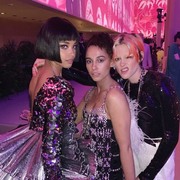
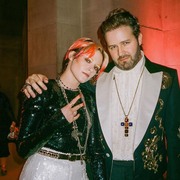
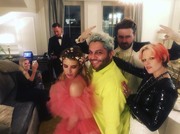
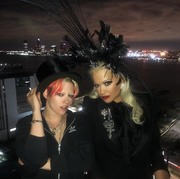
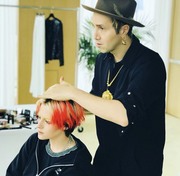
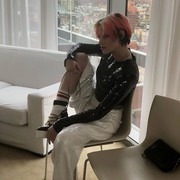
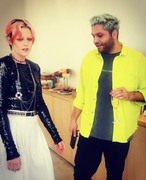
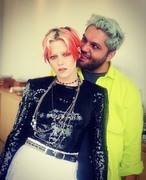
Kristen attends the Met Gala in NYC - 6 May 2019


HQ

imagebam.com imagebam.com imagebam.com imagebam.com imagebam.com imagebam.com imagebam.com imagebam.com imagebam.com imagebam.com imagebam.com imagebam.com imagebam.com imagebam.com imagebam.com imagebam.com imagebam.com imagebam.com imagebam.com imagebam.com imagebam.com imagebam.com imagebam.com imagebam.com imagebam.com imagebam.com imagebam.com imagebam.com imagebam.com imagebam.com imagebam.com imagebam.com imagebam.com imagebam.com imagebam.com imagebam.com imagebam.com imagebam.com imagebam.com imagebam.com imagebam.com imagebam.com imagebam.com imagebam.com imagebam.com imagebam.com imagebam.com imagebam.com imagebam.com imagebam.com imagebam.com imagebam.com imagebam.com imagebam.com imagebam.com imagebam.com imagebam.com imagebam.com imagebam.com imagebam.com imagebam.com imagebam.com imagebam.com imagebam.com imagebam.com imagebam.com imagebam.com imagebam.com imagebam.com imagebam.com imagebam.com imagebam.com imagebam.com imagebam.com imagebam.com imagebam.com imagebam.com imagebam.com imagebam.com

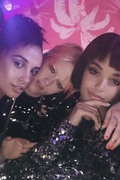
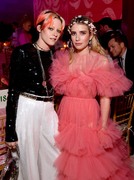
Met Gala Dinner - After Met Gala

imagebam.com imagebam.com imagebam.com imagebam.com imagebam.com imagebam.com imagebam.com


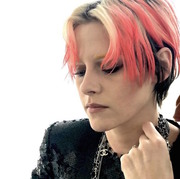
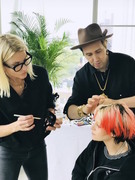
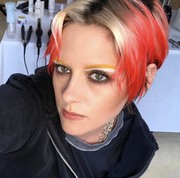
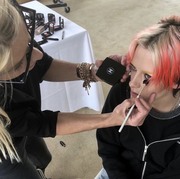
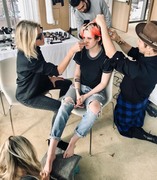
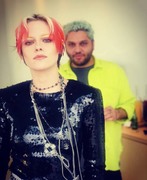
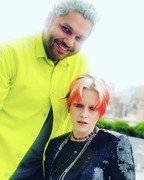
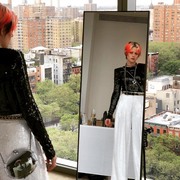
BTS

imagebam.com imagebam.com imagebam.com imagebam.com imagebam.com imagebam.com imagebam.com imagebam.com imagebam.com imagebam.com imagebam.com imagebam.com
imagebam.com imagebam.com

 imagebam.com imagebam.com imagebam.com imagebam.com
imagebam.com

For more details on Kristen's look, please click here for our other post.

Click on all pics for full view.

Video


2 videos in 1 - 1st 27 secs has no sound (above).


Source 1 2 3 4 5 6 7 8 9
HQ KStewartBR YT Korita05

Thursday, May 2, 2019

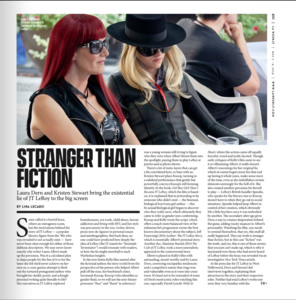
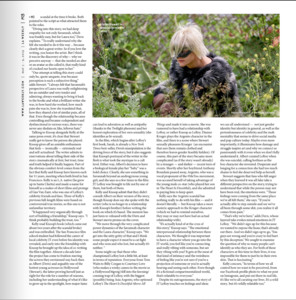
Kristen and Laura Dern on the cover of LA Weekly for 'JT Leroy'


imagebam.com
imagebam.com imagebam.com

Click on images for a readable view.

Some called it a horrid hoax, others an outrageous scam, but the motivations behind the story of JT LeRoy — a popular literary figure from the late '90s who was revealed to not actually exist — have never been clear enough for either of those dubious descriptors. We may never know exactly why writer Laura Albert made up the personna. Was it a calculated plan to dupe people for the fun of it or for the fame she felt she'd never achieve on her own or, a crazy genius attempt to flesh out the tortured protagonist/author who brought her darkly poetic and achingly personal writing quite literally to life? Her narratives as JT LeRoy explored homelessness, sex work, child abuse, heroin addiction and living with HIV, and her style was precursory to the raw, victim-driven prose now de rigueur in personal essays and autobiographies. But back then, no one could have predicted how deeply the idea of LeRoy (the JT stands for "Jeremiah Terminator") would resonate with readers, or how the lie might snowball to such Warholian heights.

In the new Justin Kelly film named after the fictional author, the story is told from the perspective of the person who helped Albert pull off the ruse, her boyfriend's sister, Savannah Knoop. Knoop (who identifies as gender fluid, so we will use the non-binary pronouns "they" and "them" in reference) was a young woman still trying to figure who they were when Albert thrust them into the spotlight, paying them to don wigs, sunglasses and masks to play LeRoy at parties and in photo shoots, in San Fransisco where they were based, then in L.A. and then around the globe.

There's a lot of meta-layers that can get a bit convoluted here, so bear with us. Kristen Stewart plays Knoop, turning in a subdued performance that gently but powerfully conveys Knoop's still forming identity. In the book, Girl Boy Girl: How I Became JT LeRoy, which the film is based on, it is explained that in pretending to be someone who didn't exist — the bisexual, biological boy/trans girl author — this bi-sexual biological girl began to discover who they really were, which ultimately they came to refer to as gender non-conforming. Knoop and Kelly wrote the script, which offers a much more balanced view of the infamous lie's progression versus the best known documentary about the subject, Jeff Feuerzeig's 2016 Author: The JT LeRoy Story, which is essentially Albert's personal story. Another doc, Marjorie Sturm's 2014 The Cult of JT LeRoy, took a more journalistic approach to the controversial story.

Albert is played in Kelly's film with astounding, award-worthy zeal by Laura Dern, conveying sociopathic tendencies and a compulsive nature that rings true and vulnerable even as it veers into crazy town. It's hard not to be reminded of some of Dern's most iconic roles watching this one, especially David Lynch's Wild At Heart, where the actress came off equally forceful, weird and multi-faceted. Though early critiques of Kelly's film seem to see it as villainizing Albert, it really doesn't. Albert's reasonings for her original lie, which of course begets more lies that end up lasting 6 whole years, make sense most of the time, even as she embellishes certain elements seemingly for the hell of it. She also created another personna for herself to play — LeRoy's British handler Speedie, who speaks for the literary star so Knoop doesn't have to when they go out in social situations. Speedie helped keep Albert in control of her creation, which obviously felt a little less hers once it was embodied by another. The secondary alter ego gives Dern a way to conjure desperation behind the guise, adding wacky nuances to Albert's personality. Watching the film, one needs to remind themselves, that yes, this stuff all really happened. They say truth is stranger than fiction, but in this case "fiction" was the truth, and yes, this is one of those stories that you just can't make up, which is why it fascinated even those who had never heard of LeRoy before the hoax was revealed via an exhaustive New York Magazine article.

At the press day for JT LeRoy in West Hollywood, Dern and Stewart did interviews together, explaining their attraction to the story and their respective roles. Neither had read LeRoy's works nor were they very familiar with the scandal at the time it broke. Both pointed to the script as what attracted them to the project.

"Diving into this story, we had deep empathy for not only Savannah, which was frankly easy, but for Laura too," Dern explains. "To really understand why she felt she needed to do it this way ... because clearly she's a great writer. So if you love the writing, you honor the artist. But I think it was in the discovery of why— why we perceive anyway — that she needed an alter or an avatar as she called it, that really kind of cracked our hearts open to her."

Laura Dern and Kristen Stewart Bring the Existential Lie of JT LeRoy to the Big Screen
Universal Pictures Content Group
"Our attempt at telling this story could only be, quote unquote, true because perception is such a subjective thing," adds Stewart. "I always felt that Savannah's perspective of Laura was really enlightening for an outsider and very tender and admiring; always wanting to bring it back to the books and what a brilliant writer she was, to how hard she worked, how much pain she was in, how she translated that, how they shared a lot of similar pain, all of that. Even though the relationship became controlling and became codependent and dysfunctional in various ways, there was never any disdain or, like, leftover hate."

Talking to Knoop alongside Kelly at the same press event, it's clear that Stewart really got to know the person she played. Knoop gives off an amiable enthusiasm that feels — ironically — extremely real and self-actualized. The writer admits to reservations about telling their side of the story cinematically at first, but trust, time and truth helped it finally happen. Part of the obvious comfort-level comes from the fact that Kelly and Knoop have known each other for 11 years, meeting when both lived in San Francisco. Kelly is an L.A. native (he grew up in Santa Clarita) and made a name for himself as a maker of short films and protege of Gus Van Zant, who was one of LeRoy's celebrity friends and fans. Three of Kelly's previous full-length films were based on controversial true stories, so this one is not unfamiliar territory.

"It happened very organically through sort of building a friendship," Knoop says. "I think probably building the trust, too. "

Kelly read Knoop's book (which came out about two years after the scandal broke in 2006) and was enthralled. The San Francisco film school student had followed the career of local celebrity JT even before his identity was revealed, and early into the friendship with Knoop he brought up the idea of co-writing the film together. Almost a decade later the project has come to fruition starring the actress they envisioned way back then as Albert (Dern) and arguably one of the hottest young actresses in Hollywood (Stewart), the latter proving herself just as right for the role for a number of reasons, including her understanding of what it's like to grow up in the spotlight, how major fame can lead to adoration as well as antipathy (thanks to the Twilight phenom) and her honest exploration of her own sexuality (she identifies as bi-sexual).

In the film, which begins after LeRoy's first book, Sarah, is already a New York Times best-seller, Dern's manipulation is the driving force of the story, but it also suggests that Knoop's portrayal of the writer in the flesh is what took the mystique to a cult level. Either way, Albert's decision to have a biological female play her "baby" was a bold choice. Clearly, she saw something in Savannah beyond an androgynous young girl, and she says so a few times in the film: JT LeRoy was brought to life not by one of them, but both of them.

Kelly and Knoop admit that they didn't consult Albert on their version of the story, though Knoop does say they spoke with the writer (who is no longer in a relationship with Knoop's brother) before writing the book on which it's based. The memoir has just been re-released with the Dern and Stewart movie promo on the cover.

"We move through the very complicated power dynamics of the Savannah character and the Laura character," Knoop says. "We get into the nitty gritty of that and I think some people expect it must be a cat fight and who won and who lost, but actually it's neither. "

Some might say that those who championed LeRoy lost a little bit, at least in terms of reputation. Everyone from Tom Waits to Billy Corgan to Courtney Love (who makes a winky cameo in the movie as a Hollywood bigwig) fell into the fawning/conning trap of LeRoy, with the biggest (possibly) being Asia Argento, who optioned LeRoy's The Heart Is Deceitful Above All Things and made it into a movie. She was rumored to have had a relationship with LeRoy, or rather Knoop as LeRoy. Dianne Kruger plays the Argento character in the film, and there is a scene where Stewart sexually pleasures her (an encounter that sees them remain clothed and therefore leaves gender feasibly hidden).

Of course, this part of the story became more complicated (as if the story wasn't already) by a stranger — and darker — recent turn of events. Shortly after her boyfriend Anthony Bourdain passed away, Argento, who was a vocal proponent of the #MeToo movement, was accused herself of taking advantage of the young male co-star (who played her son in The Heart Is Deceitful), and paying him to keep quiet.

Kelly says the Argento scandal has nothing really to do with his film — and it doesn't literally — but Knoop takes a more esoteric approach to the Kruger character (which we had to remind ourselves, they may or may not have had an actual relationship with).

Laura Dern and Kristen Stewart Bring the Existential Lie of JT LeRoy to the Big Screen
Universal Pictures Content Group
"It's actually kind of at the crux of this story," Knoop says. "The emotional interpersonal relationship between these characters. We thought it was important to have a character where you go into the JT world, you feel like you're connecting and really vibing with someone, but are they vibing with you? It gets at the meat of that kind of intimacy and the weirdness of feeling like you're not sure if you're a projection of someone or you're actually hearing and seeing each other. Even though it's a fictional compartmentalized world, that's relatable to everyone."

Despite its outrageousness, the story of JT LeRoy touches on feelings and ideas we can all understand — not just gender identity but identity in general, as well as the pretentiousness of celebrity and the mob mentality that seems to drive social media and pop culture today. Maybe even more importantly, it illuminates how damage and struggle inspire art and why we connect so passionately with it even when we don't fully understand it. Albert created LeRoy when she was suicidal, calling hotlines as the boy character she invented. Desperate and longing for a connection she had too much shame to feel she deserved help as herself.

Stewart suggests that fans who felt anger when they learned it was all fake take a different perspective on the story, trying to understand that while the person may not have been real, the emotions were. "Those feelings were coming from the same place we've all felt them," she says. "If you're actually able to step outside and see we've all been through some shit, you realize it all comes from pain."

"That's why we're here," adds Dern, whose layered take evokes mixed emotions in JT LeRoy. "We didn't sign up for this because we wanted to expose the hoax; that's already out there. And we didn't sign up to go, 'You guys are wrong and you're crazy to feel hurt by this deception.' We sought to examine the question of why so many people can't identify as who they are. For both of these characters at this time in their lives, it was impossible for them to just be in their own skin. That is fascinating."

Kelly concurs, "In terms of how we all control how we want to be perceived, from our Facebook profile photo to what we post on Instagram, and put out there in real life, it's like we're all curating our lives. It's a wild story, but it's wildly relatable too."

Source 1 2
Scans Korita05

Kristen and Laura Dern's interview with Winnipeg Free Press


‘What’s up, Winnipeg!?"

That’s Laura Dern, at full volume, when a publicist tells her she’s on the phone with the Winnipeg Free Press.

"Oh, God."

And that’s Kristen Stewart, playfully laughing at her co-star.

It’s just a snapshot of the chemistry the two have together onscreen in JT LeRoy, a new film detailing the hoax that rocked the literary world in the early 2000s from the perspective of the person who ended up at the centre of it.

Dern plays Laura Albert, the fabulist who wrote a bestselling novel as Jeremiah "Terminator" LeRoy — a young southern boy writing about his life as a truck-stop prostitute and the abuse at the hands of his mother. Albert started portraying LeRoy on the phone, but as his star began to rise, she felt increasing pressure to put a face to the name.

Enter her sister-in-law Savannah Knoop (portrayed by Stewart), who pretended to be JT LeRoy at his public appearances for the better part of six years.

JT LeRoy, which opens this month, was produced by Winnipeg’s Buffalo Gal Pictures and shot in and around the city over the summer of 2017.

"It was amazing," Dern says of their time in Winnipeg. "I mean, we had summer vacation there. It was a gorgeous time to come there, and get to navigate making a small, independent film on a shoestring budget, which is more and more complicated to do, with a subject matter we see as deeply complicated and out of the box and not easy."

"And Winnipeg was deeply hospitable to that," Stewart adds. "We found a lot of our backgrounds in weird, cool little bars where cool youths were hanging out and wanted to be involved. There was a cool counterculture."

Because JT LeRoy’s star rose around the world, Winnipeg was required to double as many places throughout the film. Back-alley Exchange District murals stand in for artsy San Francisco. The ruins at the Trappist Monastery Provincial Heritage Park pass for Paris. A rural Manitoba truck stop becomes a truck stop in Tennessee.

"We definitely repurposed stuff — walls, environments, people," Stewart says. "We were throwing around T-shirts on extras."

'It was a gorgeous time to come there, and get to navigate making a small, independent film on a shoestring budget, which is more and more complicated to do, with a subject matter we see as deeply complicated and out of the box and not easy'

Indeed, it wasn’t just Winnipeg places but Winnipeggers themselves that helped shape the film.

"The one part that feels really alive in that sense is in the party scene that happens early on," Stewart says. "We shot it over a weekend with, like, whatever five to 10 people on the crew that were down to hang out with us. Everyone in that sequence is one of our friends or a relative or a person who Sav literally found at a queer bar or a weird bookstore and brought them in. They were really colouring the scene."

"Like, if you hired extras to do that?" Dern interjects.

"It would just look awkward and, I don’t know, you get what I’m saying," Stewart finishes. (I do get what she’s saying: It would look inauthentic.) "For that, Winnipeg definitely helped us out."

The film, directed by Justin Kelly, is based on Knoop’s 2008 memoir, Girl Boy Girl: How I Became JT LeRoy. Stewart wasn’t familiar with the bizarre ballad of JT LeRoy — nor the people behind him — before she read the screen adaptation.

"I read that and it was really difficult to understand how it was possible it was even real," she says. "I thought maybe they took liberties and made the story a little crazier than it had been. But then I watched the documentary (2016’s Author) and kind of delved into what happened and how many people were involved, and my head blew off. I couldn’t believe it was possible.

"After meeting Savannah — there’s a delicacy to her energy and it’s also very truthful. I was like, ‘how can someone so present, and odd, and real, and genuine in person survive something like that?’ And how the hell did all that happen? It’s a widely known subject, but this is one element that no one has heard: what it felt like to be in the middle of it.”

Stewart gets to the heart of those questions in her understated, nuanced portrayal of a vulnerable person who is trying to reconcile their own identity (and gender) while pretending to be the creation of someone else.

Knoop also provided a blueprint for Dern.

"Savannah was my way into Laura, which was quite beautiful," she says. "As (the film) is (Savannah’s) point of view, it allows Laura to be as elusive as she was to Savannah, and as she was to everyone experiencing her, as opposed to ‘Let’s know the person behind the writer.’

"It’s really about understanding what it was like to be pulled inside this world that seemingly could be a hoax but, in fact, as Savannah taught me more and more and as we learned more and more, is really about someone’s struggle with not only identity, but trauma. And how to be understood, and feeling such shame that they can’t be with themselves, that they have to create characters over and over and over again."

Dern portrays Laura Albert with incredible empathy, walking the line between a ruthless manipulator and fragile victim. She cuts a rather tragic figure, a person who believes she has to invent characters so people will like her.

(A heartbreaking detail: Laura Albert used to call suicide hotlines as different people, including JT, in order to be listened to.)

"Laura’s entire journey is about false narratives in order to be truthful," Dern says.

As a film, JT LeRoy feels strikingly timely, not only because it explores themes of identity and gender, but because it’s arriving at a time when scammers are having a major cultural moment. Stewart thinks our fascination with grifters may have something to do with our innate desire, as viewers, to solve puzzles.

"Anything that is tricky, anything you have to crack — I think an audience really, really likes to be surprised, and audiences have gotten a lot smarter, so I think there’s a, ‘Oh, wait, is there a bait and switch? Because I know I’m going to get it before anyone else.’ And if they don’t, well, I think that speaks to the angry, reactive nature of the press to JT’s life then. The wool was pulled over their eyes."

"It’s so in the zeitgeist," Dern says of grifter content.

"It’s like that movie with the people who move to D.C. and they’re living in that big house, and then there’s, like, a report that comes out and everyone is trying to figure out whether it’s fake or real...

"Oh, wait," she says, slyly. "That’s not a movie."

Source

Wednesday, May 1, 2019

Kristen and Laura Dern's interview with the Tribute (Canada)


How familiar were you with the story of JT LeRoy?

Laura: I learned about the story after the fact from a couple of friends who knew them. It was from Justin, Kristen and also the documentary that I learned more.

Kristen: Same. I was unfamiliar with all of these wild happenings. I had heard of the book and the movie, but never read them. When I read the script, one of my first questions to Justin was, “Wait, did this really happen? You must have taken liberties to make it more interesting. People couldn’t have believed this for so long.”

Laura: And speaking to how did they get away with this? I remember one of the moments that was most shocking to us that we shared — I mean we worked on it and rehearsed it — but the day we filmed the scene when they arrive at the airport in Paris in these horrible wigs and my horrible accent and everything and realizing, “They got away with this?” (laughs) It was incredible. It was really stunning. It went away when we made an effort to curate it and make them look subtler and I would work on the accent more and then someone would say, “No, it literally has to be so obvious that you’re in dress up.” Because that was part of the phenomenon, that they got away with it. People believe what you tell them.

Was that the reason you wanted to do it, because it was so unbelievable?

Kristen: I really love the idea of self-invention. I think that it’s a tricky thing to talk about because I’m also, as anyone would claim to be, a huge proponent of honesty. But at the same time, what is honesty and what is the truth and if your truth doesn’t always align with how you present it or factual details that people are addicted to, but then there’s this ambiguous story within you that feels truer to you than what it seems like on the surface. So I love that theme. And also Savannah’s story of finding herself. She has this warmth and this openness that is the opposite to what she had to convey as JT. I really loved Savannah as a character. Also as a human being, she’s wonderful — the warmest, generous, insanely intelligent, very unique weird person, and I say that in the most loving way.

Is it more challenging to portray someone who’s a real person versus a fictional one?

Kristen: It’s different. It’s a huge responsibility to make sure you’re conveying that person responsibly. Whenever I read a script and I go, “I’m telling you I can do this and I don’t feel irresponsible saying so,” that’s when I know that I should take a part. And on this, I knew it would be a little more work and it’s not as easy to live and breathe and explore, but once you put in the work and you prepare, the point is to get to the place where you can be in their skin and not be obsessed with doing a perfect impression.

How do you relate to your public persona being seen as someone you’re not and feeling other’s expectations?

Laura: Well, it’s an interesting parallel. As actors, it’s part of a story. You’re all projecting an idea of how we see a character. When it becomes personal, that’s different. It’s something every public figure navigates. In terms of taking on a role as performance art, it was of deep interest to Savannah. It wasn’t as Laura talks about in the film and did in life. It wasn’t unusual. Something we were seeing with a lot of artists, David Bowie for example, creating other characters. But what I think is beautiful about Savannah as our muse, she is so generous to Laura and it let us have a love story that wouldn’t otherwise be there.

Laura Albert wrote about a person who created a persona to survive a thing and then she asked that of Savannah. It’s like the only way she knew how to survive life was the thing she kept offering. For her, it wasn’t about a lie as much as it was a survival technique. Probably to this day, she sees JT as a part of herself. And I think for us what’s beautiful is that as actors you’re given a job and you create a character, but our job was to know each other in the deepest way. And that’s what these women had to ultimately do together.

JT Leroy By playing JT, Savannah discovered more about herself. What did you learn about yourselves when portraying these characters on-screen?

Kristen: It’s obviously very much about identity and carving that out for yourself. In making the movie I was really happy to be playing younger, because I feel like there was a normal stage of my life a couple of years ago when I felt overwhelmed, a bit of a sensory overload to the point where it’s sort of hard to know your own name. You know what I mean? Like, “I don’t know how I fit into this? I’m trying to wedge in.” That’s exactly what Savannah is doing, albeit internal but sort of creative. She asked, “What’s my part? What are things I want to say? What do I want to look like? Who do I want to be with? How do I want to identify?” I’m older than her in the movie. So one thing I realized was that I was so happy to be older (laughs), but also it was fun to shepherd that period of her life because she stands so firmly in herself now. She’s a really clear, distinct person and it was cool to go through that particular period where she wasn’t that sure and to hold her up and get her to the other side. That was fun.

Is that one of the reasons you want to start directing now?

Kristen: I have always had an eye roaring inside me. I don’t draw a huge distinction between acting and filmmaking and directing. When I was so, so young, I was fueled by the energy of people coming together and sharing an idea to the extent that they would literally do anything for it. I would love to lead that charge. Even though the best movies have a singular vision, it’s a precarious, really delicate process. You fill up this bowl of water and it takes so many hands to retain every drop and getting to the end of an experience is literally like, “Phew.” You’re juggling this really precious thing and everyone involved is sort of going, “Keep a hand on it!” And when you get to the end and most of the water is still in the bowl you can all have it. It’s just the best feeling I’ve ever had and I want to get under people’s skin. I want to fuel that because I’ve been fueled and it’s really made me. I am so lucky to have it. I don’t know who or what I would be without it so now I would like to do that with people. It’s a really natural progression, not like “I’m going to direct movies now!”

Laura: But she is a director. There are a few actors you work with, who work as a director, as we all had such an amazing experience of having each other’s back. She saw everything as a director, not just as an actor. It’s so seamless.

Source

Video: Kristen and Laura Dern's interview with Entertainment City at TIFF for 'JT Leroy'


Source